A map that is the whole interface
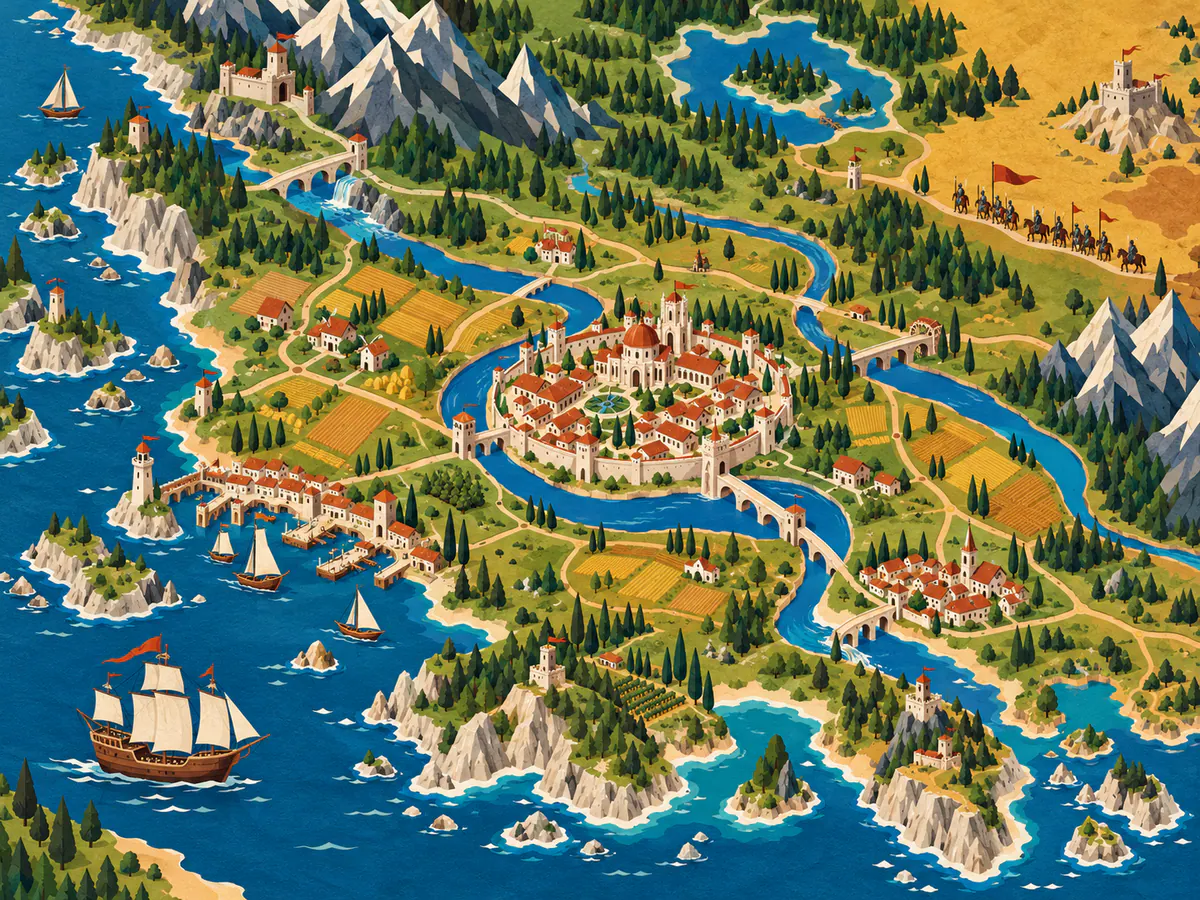
There are no menus to dig through. The map is the game, and you move around it like a map app, from the whole planet down to a single city. Far out you see empires as colored regions with their names. Closer in you see city icons with basic stats, your borders and your neighbors' borders
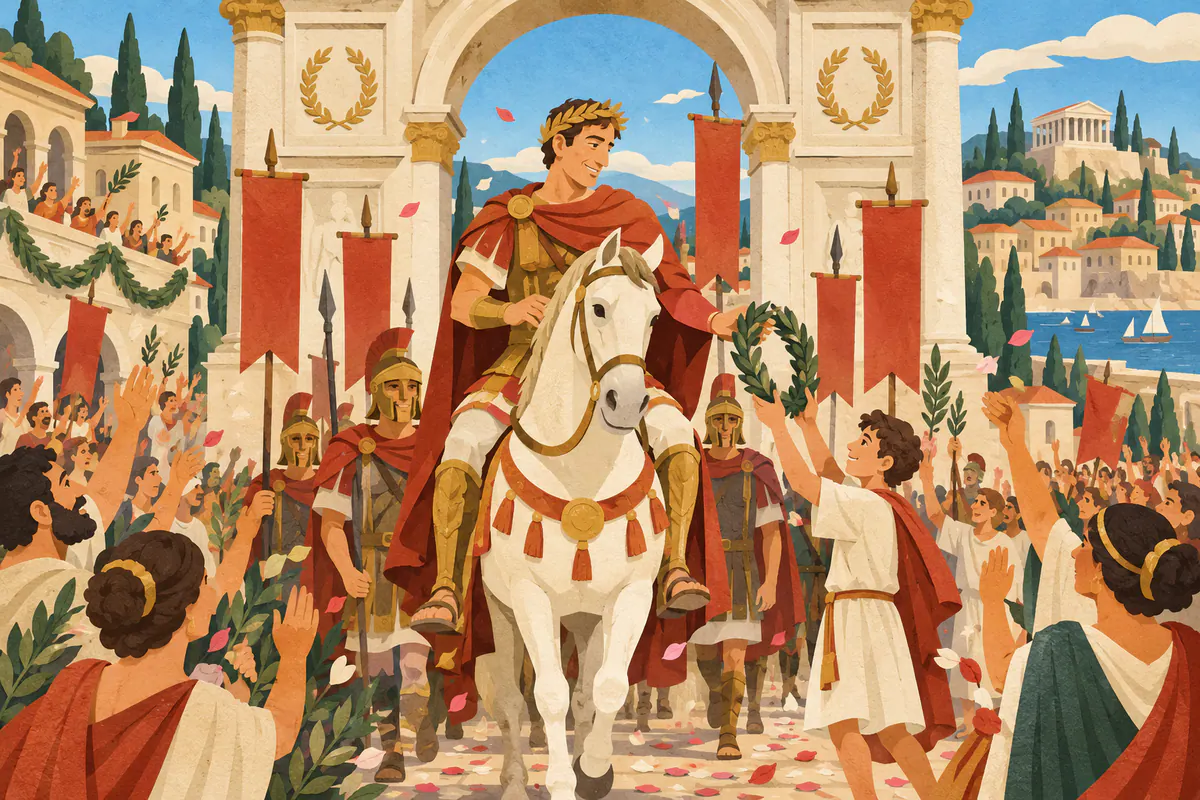
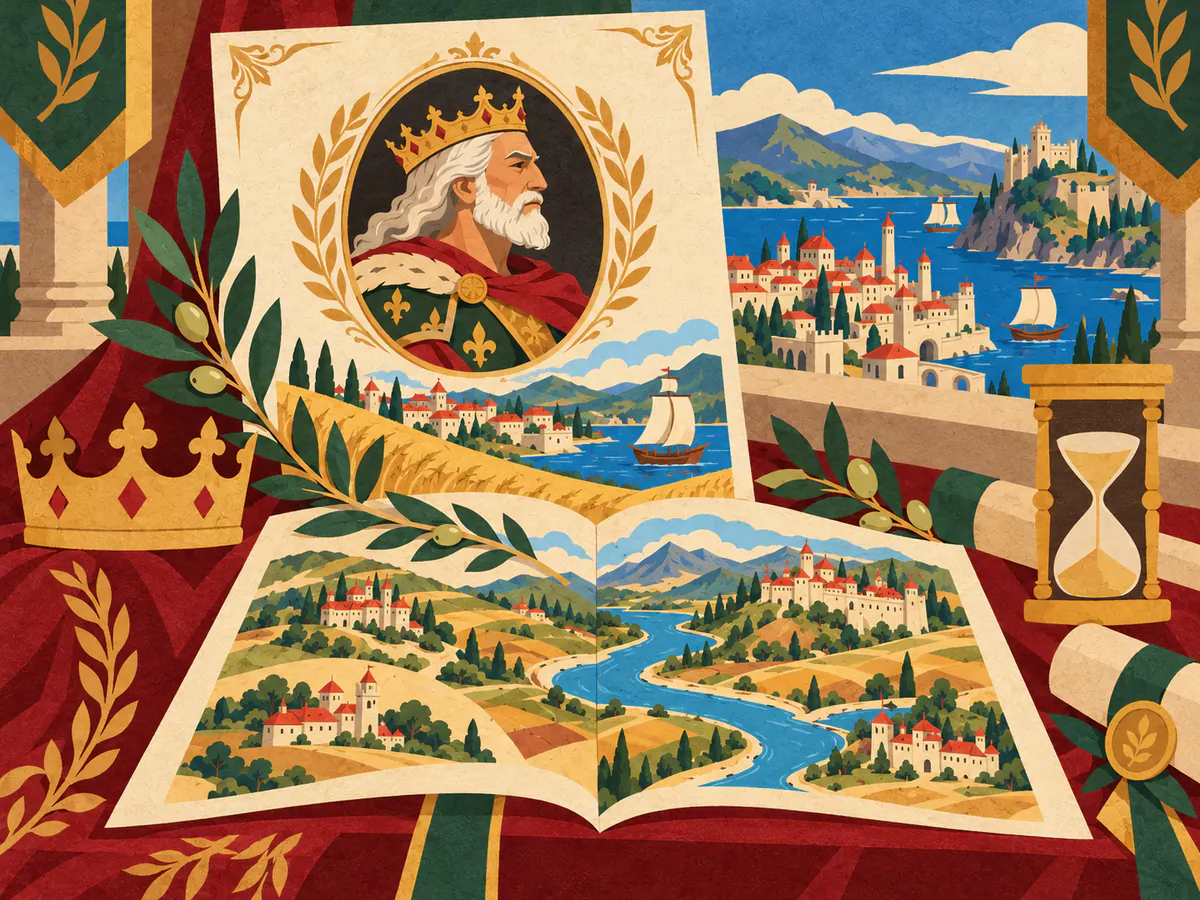
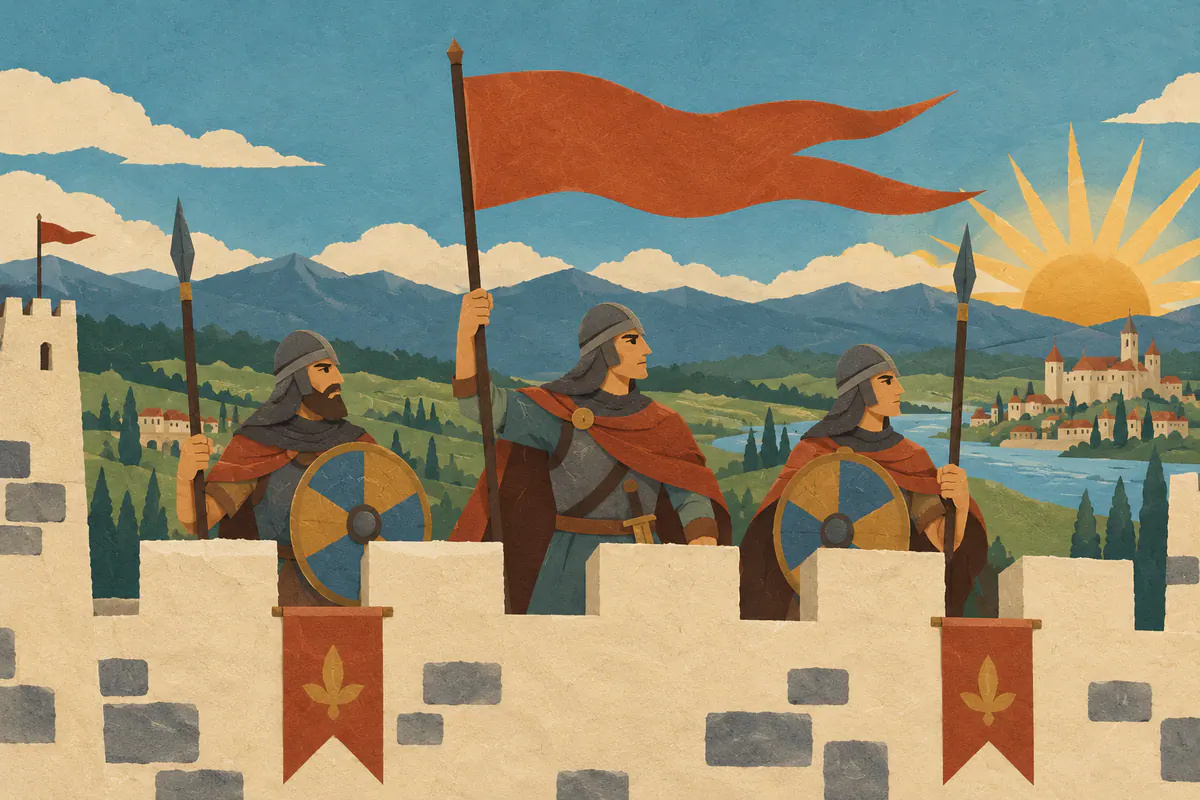
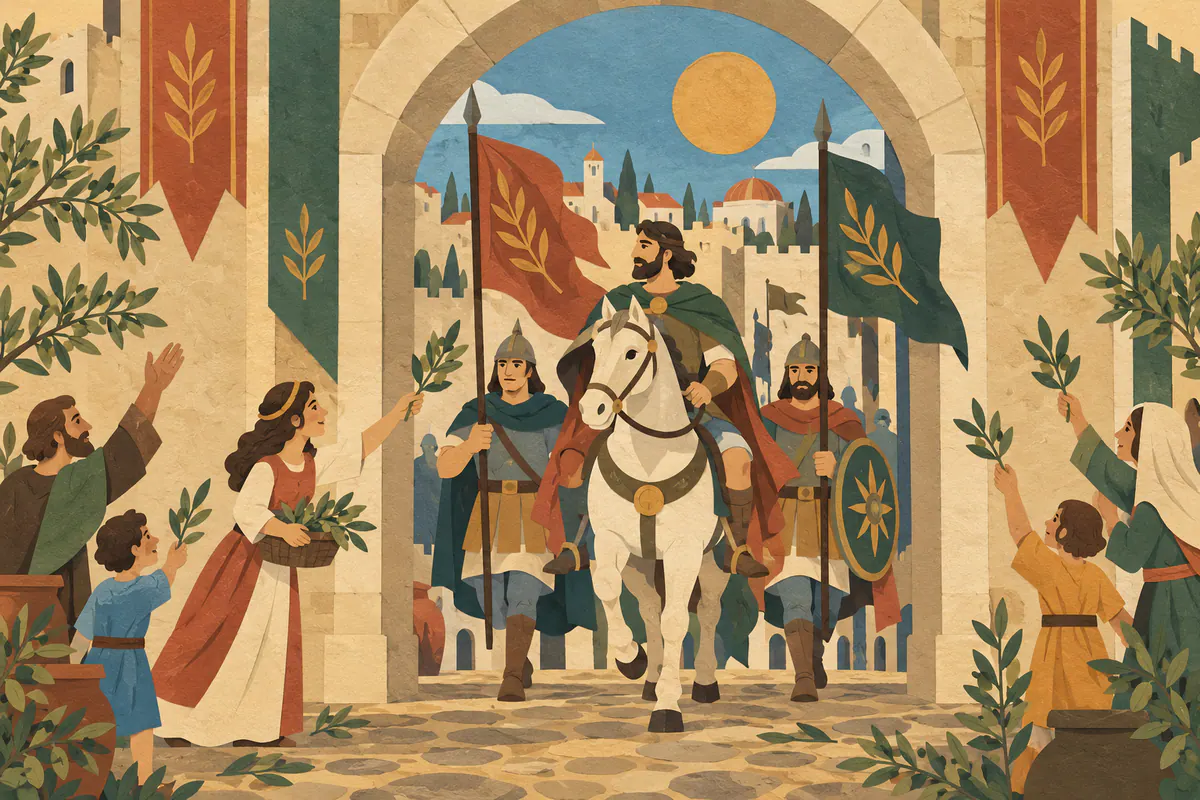
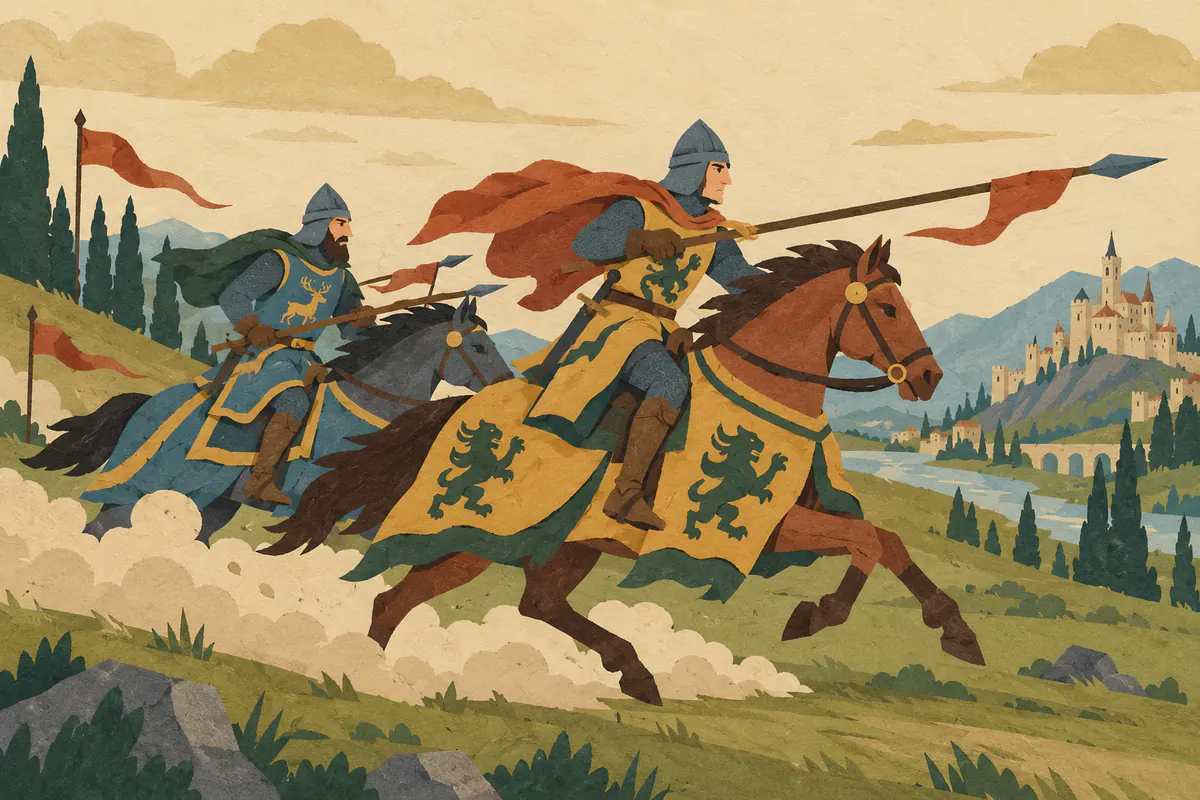
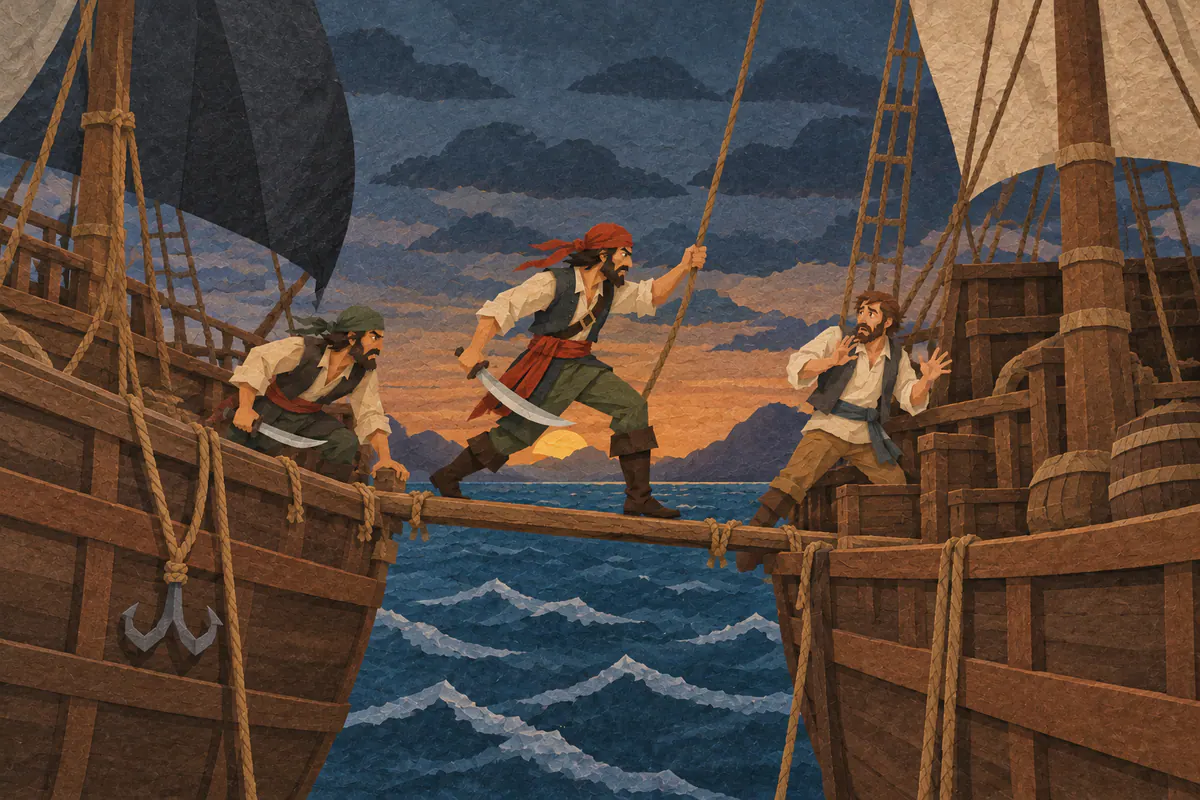
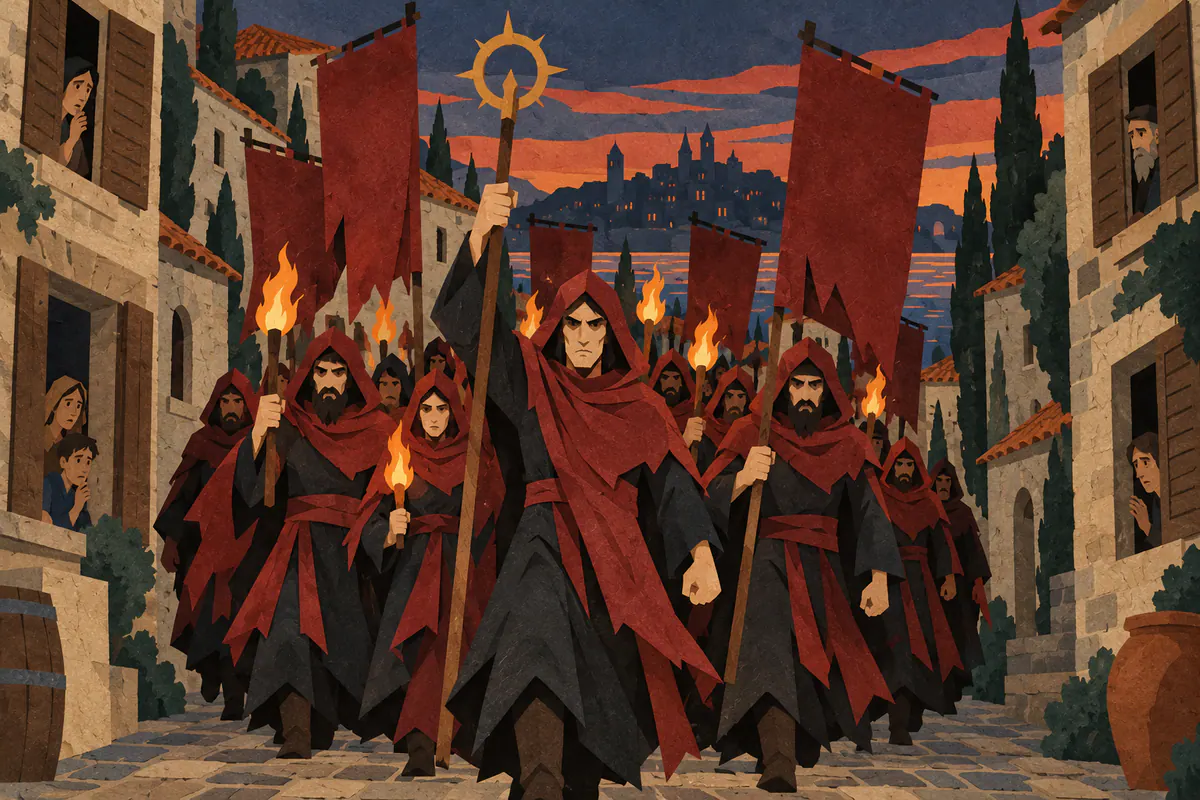
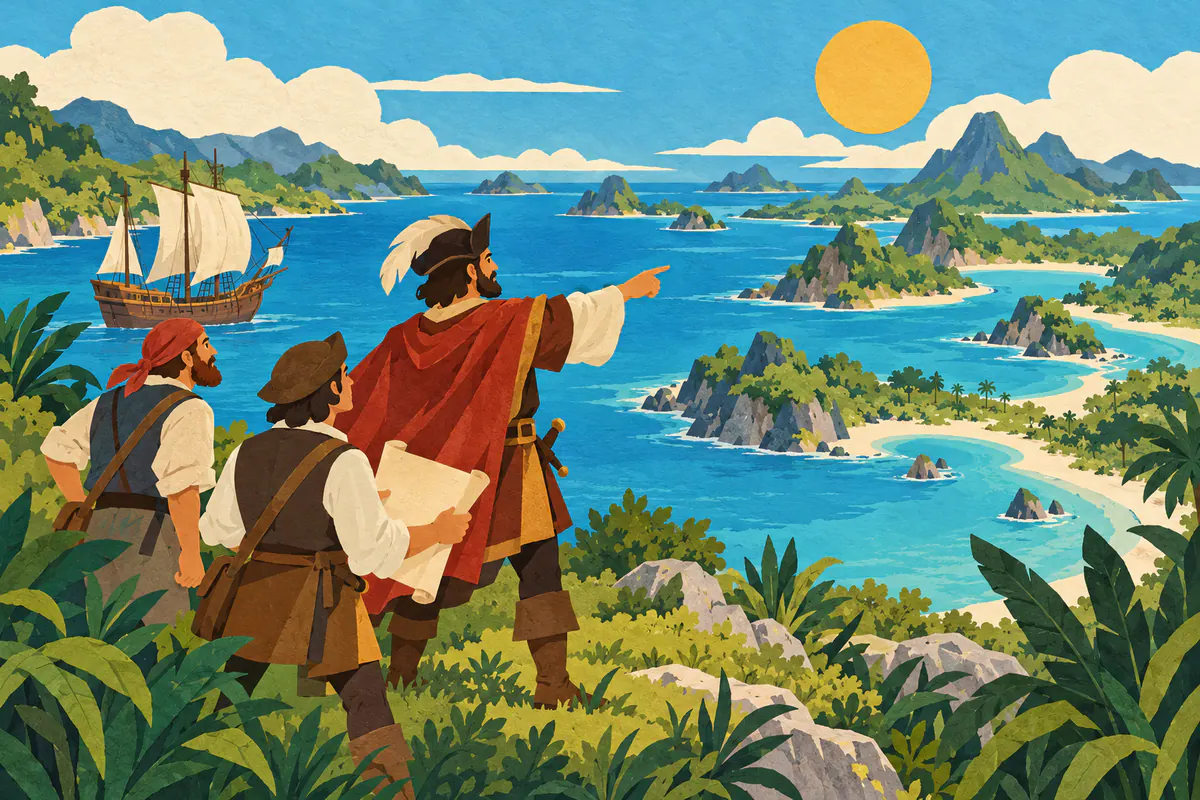
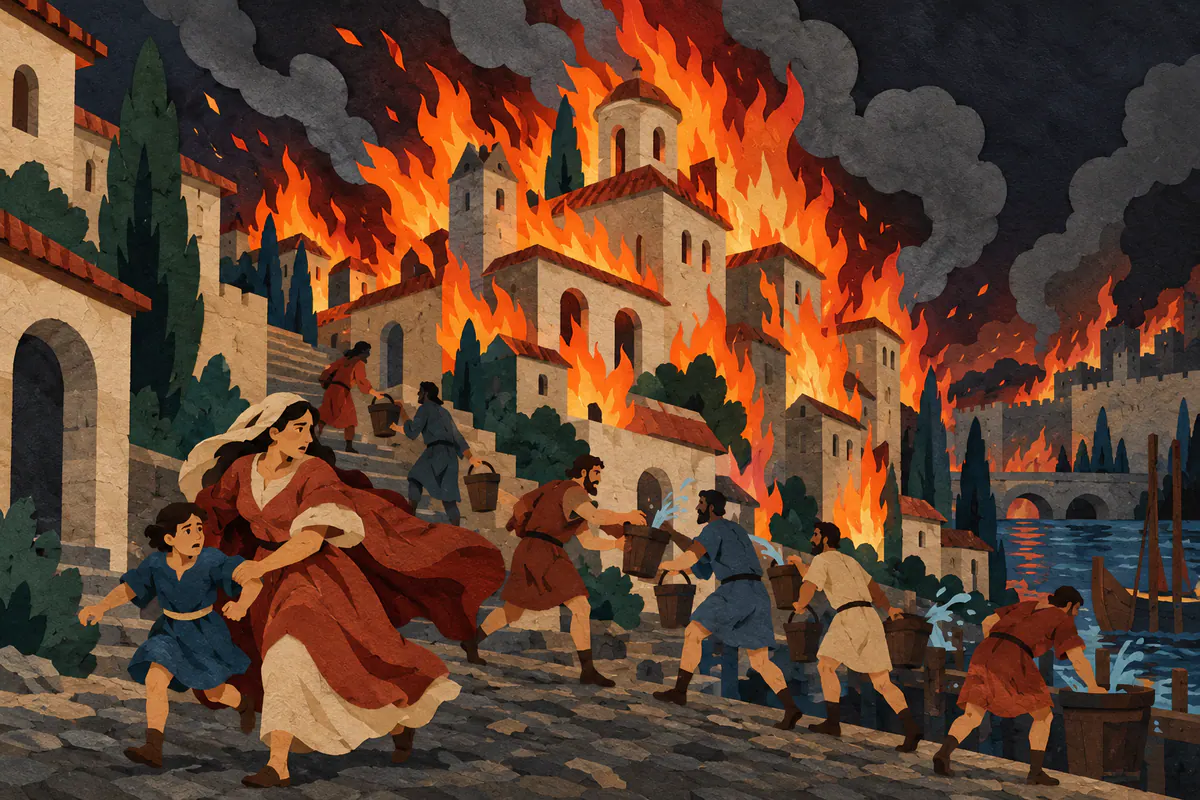
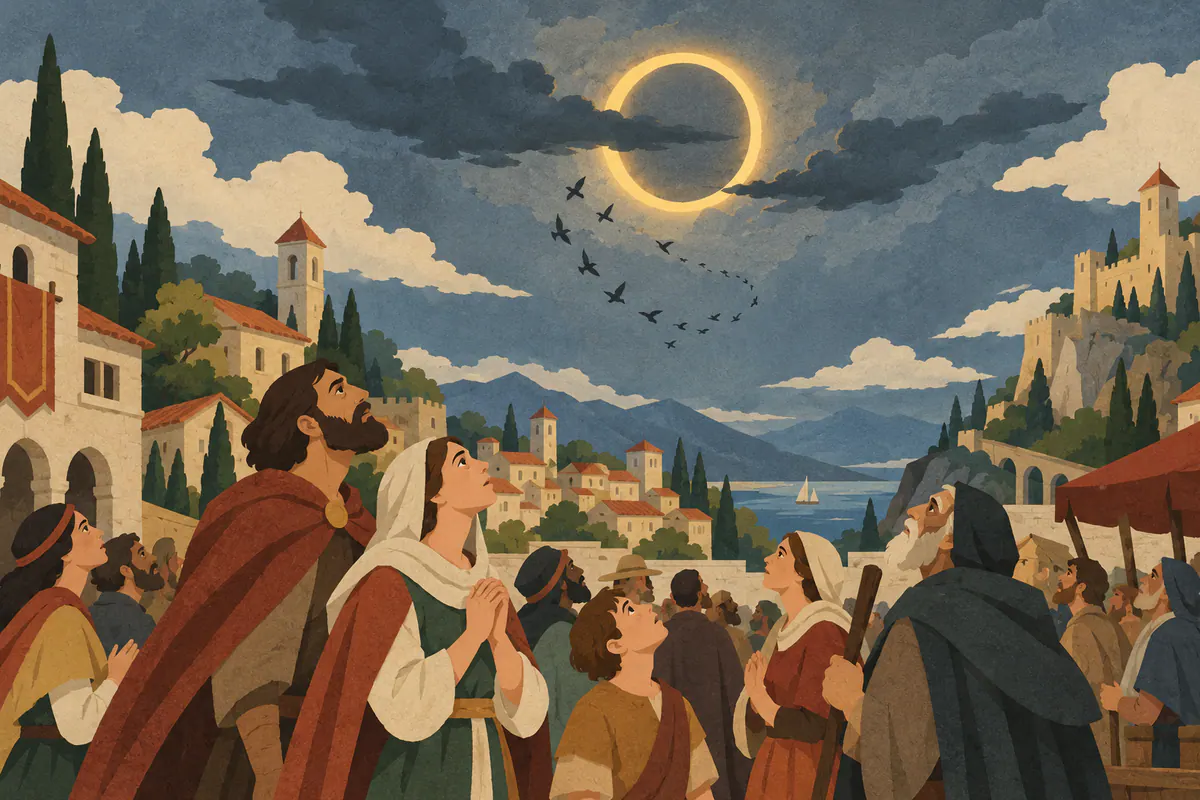
The style is papercraft: layers of colored paper, folded mountains, paper ships and soft shadows. It is all 2D, and it is made to fit phones and desktops at any resolution
Over a lifetime the map changes
- Armies and fleets move as figures
- Villages grow into towns and big cities
- Ruins stay where cities were destroyed
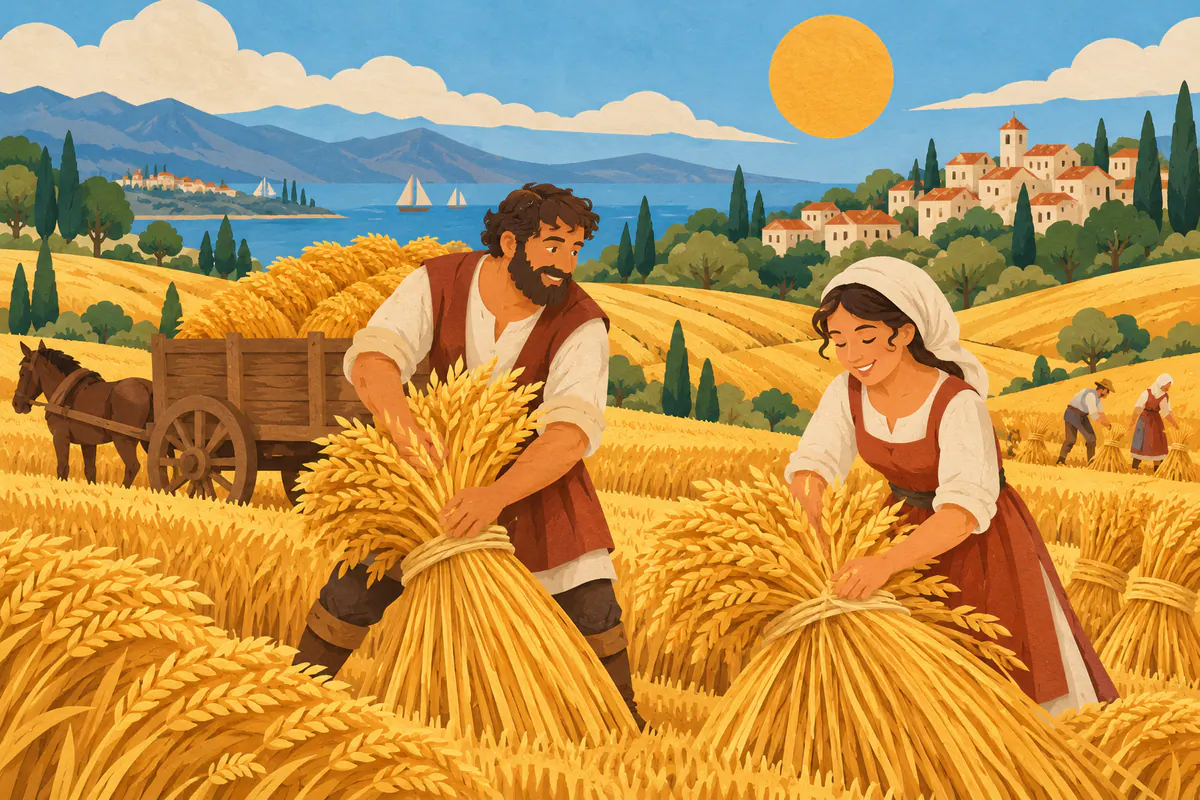
- Snow comes in winter and golden fields in autumn
- Roads and railways appear, and steamships replace sailing ships
Fog of war
You see your own cities, your neighbors and your allies. The rest of the world is fog, drawn as plain white paper
Cartography and navigation push the fog back step by step. First you see the land with nothing happening on it. Later you start to see activity. Spies help, and rumors from the fog reach you too, though some of them are false
Events: the only thing you do
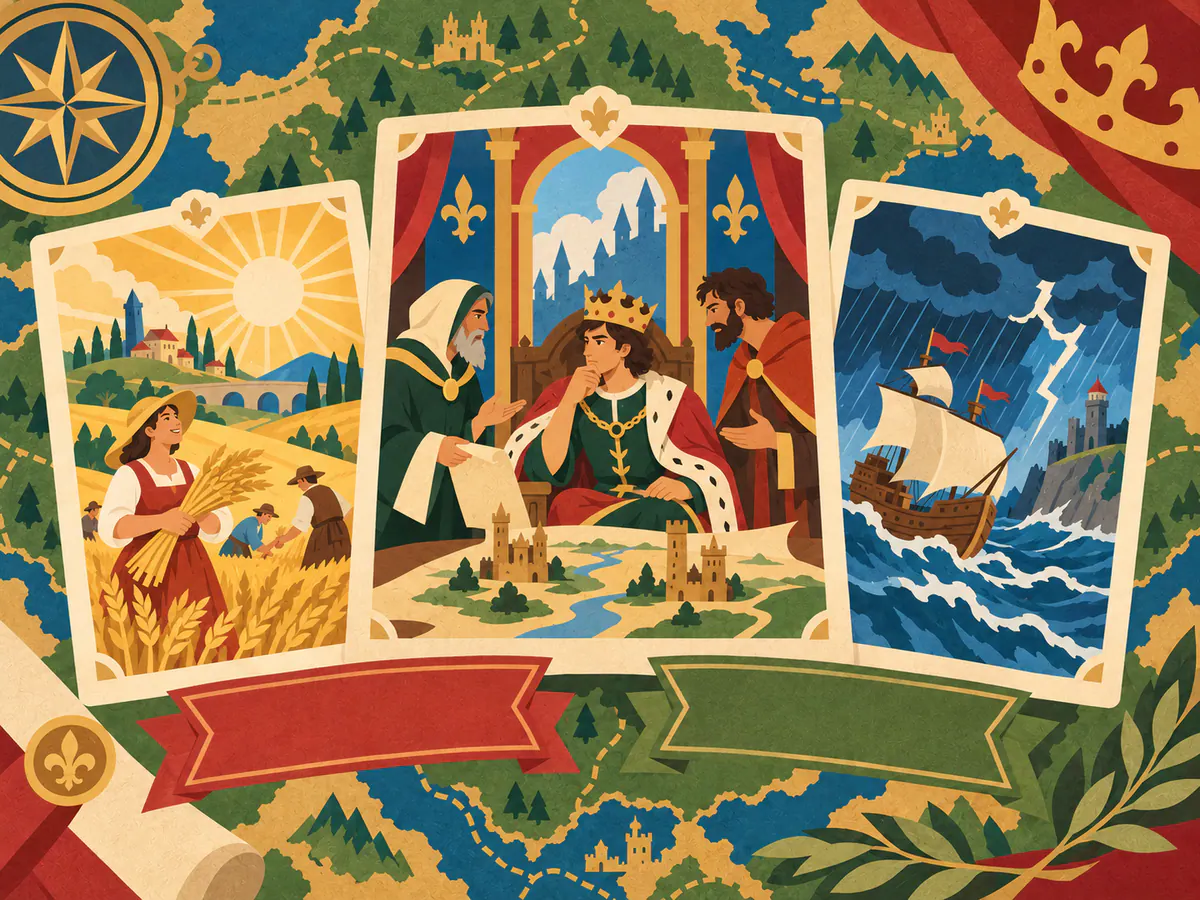
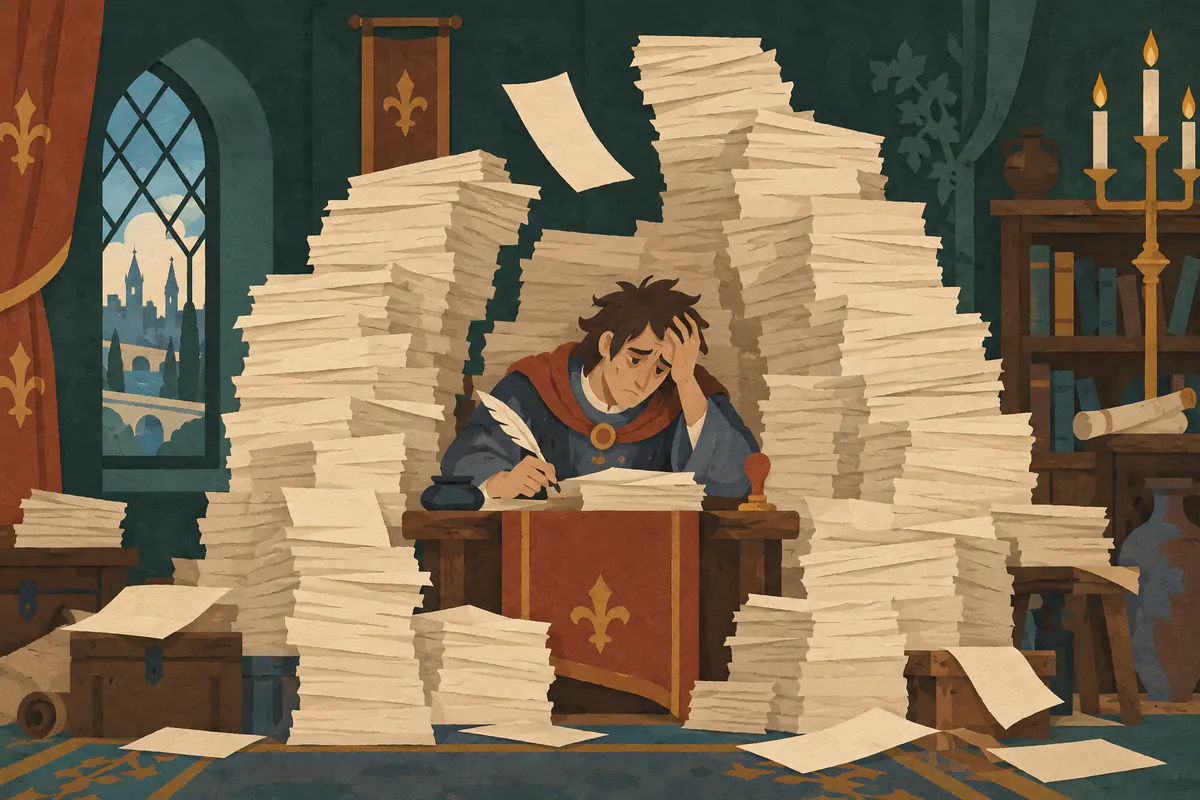
Every year brings 3 to 5 events at normal speed. The game pauses for each one, the place glows red on the minimap, and a big notice appears. Click it and the camera flies to the city, where the choices open over it
Each event offers 2 to 6 options. You see the variables tied to the situation and the immediate changes as arrows and icons, such as treasury down or army up twice. What happens later stays hidden. Risky options can fail, and doing nothing is sometimes an option with its own price
There are more than 8,500 events in 23 kinds. Events read your world: unrest, war, a coastal city, your form of government, the ruler's age, the technologies you know. The same template plays out differently each time, and many events only fire under rare combinations, so each game shows a different slice. A 50-year reign meets about 150 to 250 events, under 3% of the pool
Chains and surprises
- A rebel leader you spared returns years later
- A general you slighted defects
- Advisors give opposite advice, and the one you ignore gets offended
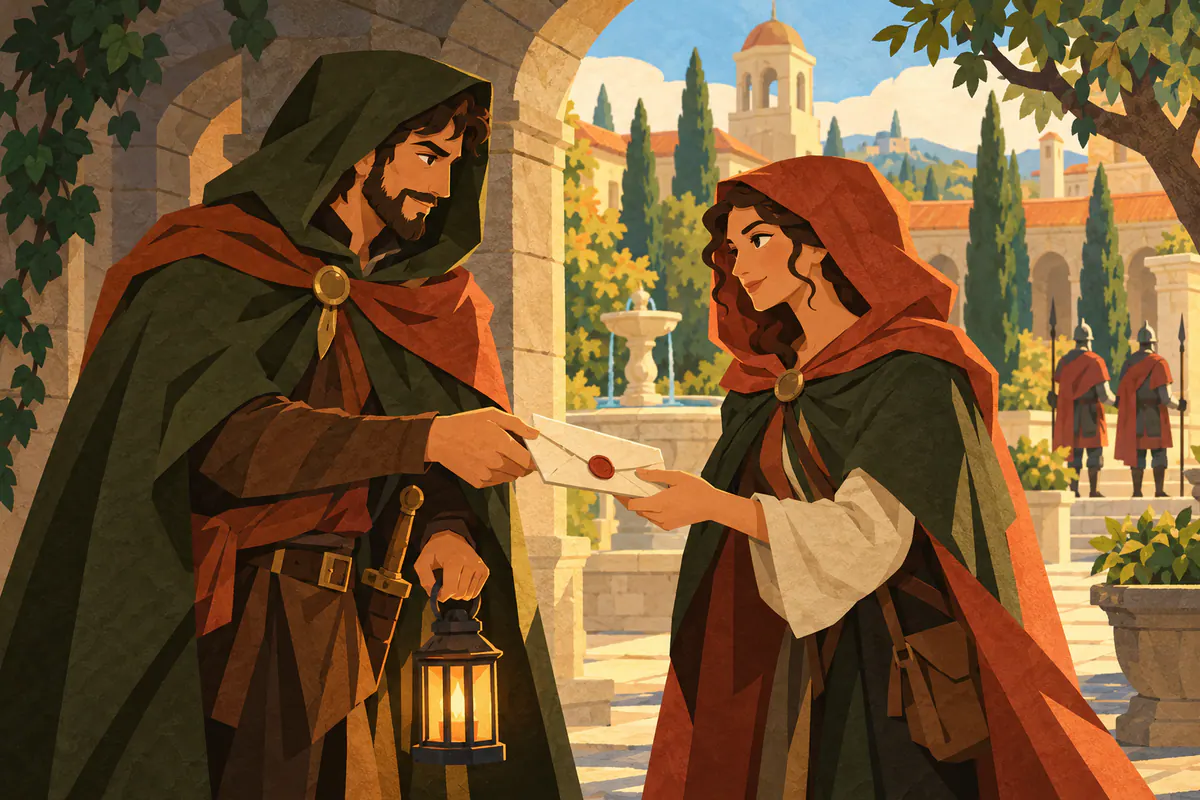
- Rulers write letters that are insulting, funny or flattering
- Small gossip events carry hints, and you can skip them
- A few legendary events show up about once in a thousand games
A ruler's life, from young to old
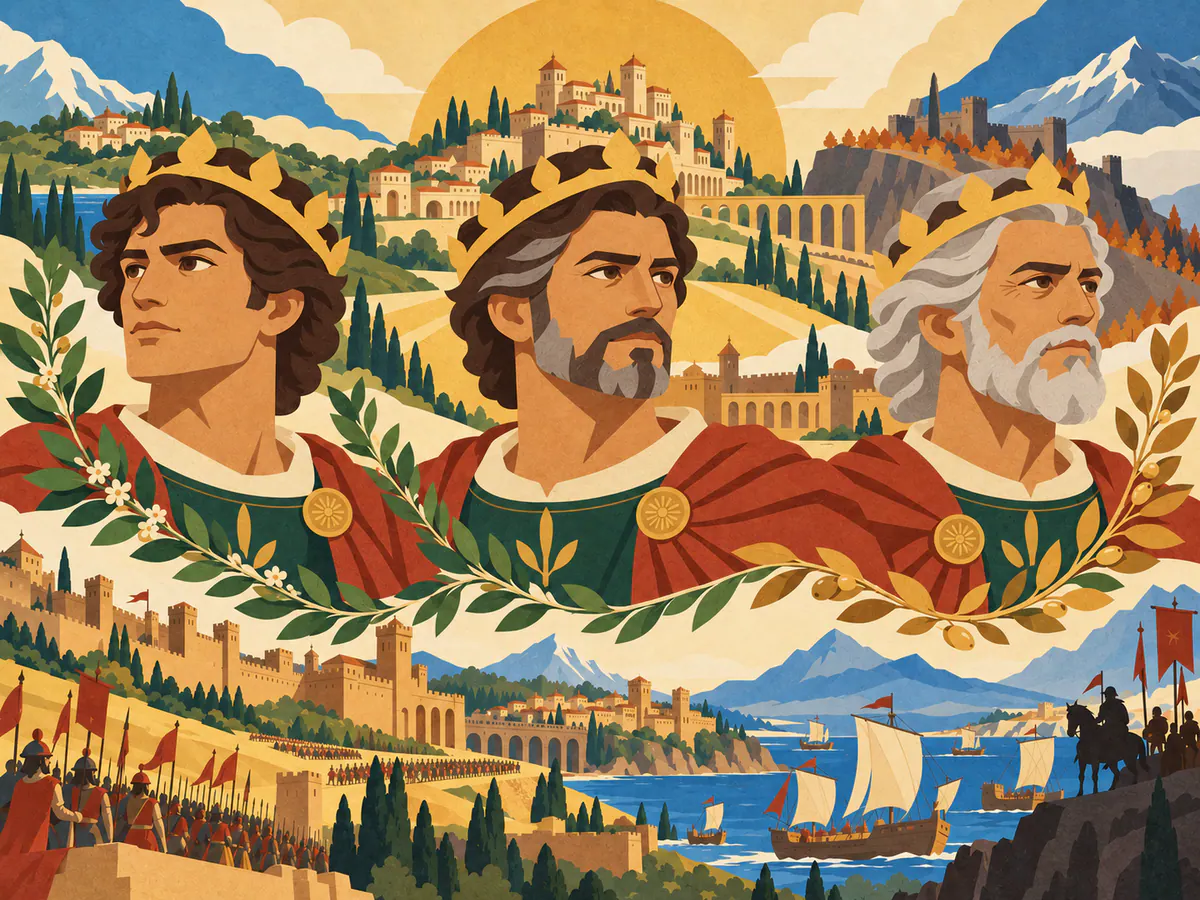
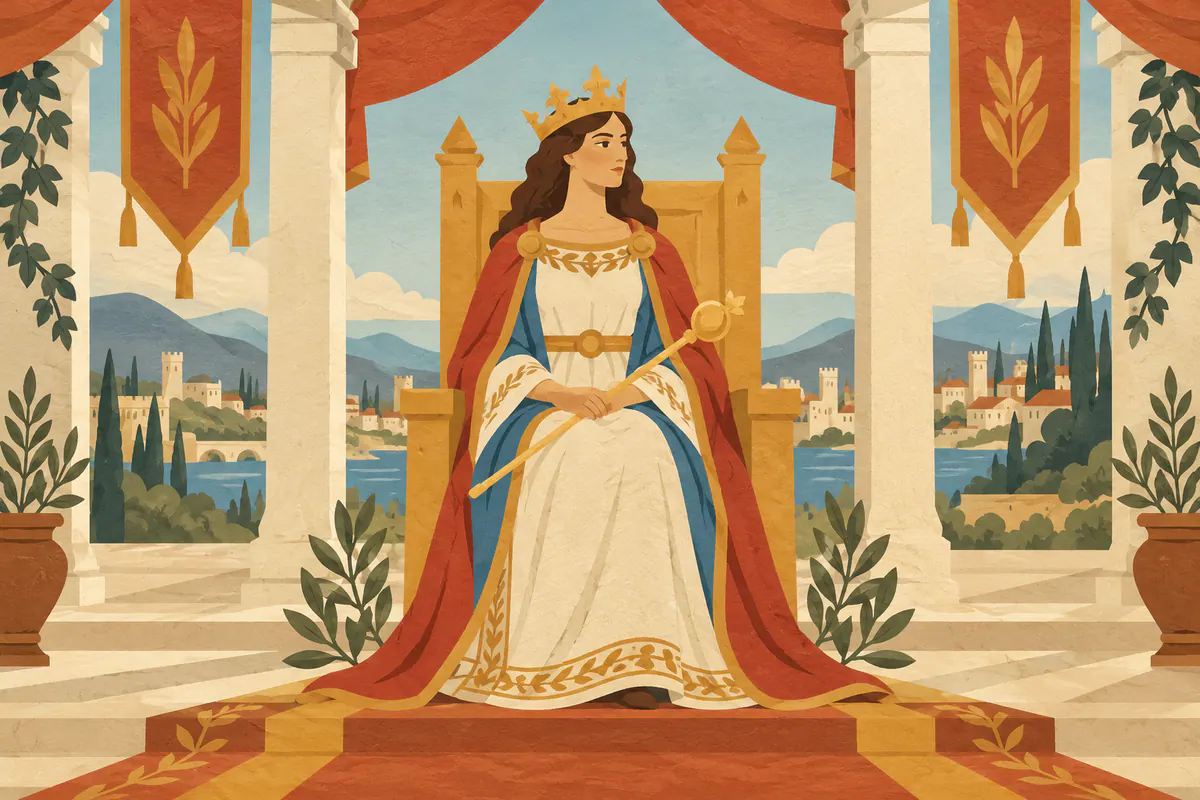
You play one ruler, a man or a woman by chance, who starts young. The portrait ages with the reign: gray hair, scars. The lifespan is random, between 60 and 100 years, and hidden from you. Stress takes years off it, and wars, revolts, plots, famine and hard choices all add stress
Your choices stick to you as traits: cruel, merciful, just, greedy, pious, brave, cowardly, wise. Each trait shifts your variables and the odds of later events. You also earn an epithet, the Cruel, the Wise, the Coward or the Builder, and it can change while you live. Late in life, high stress makes a ruler's choices strange
Ways a reign can end
- Old age, when the lifespan runs out
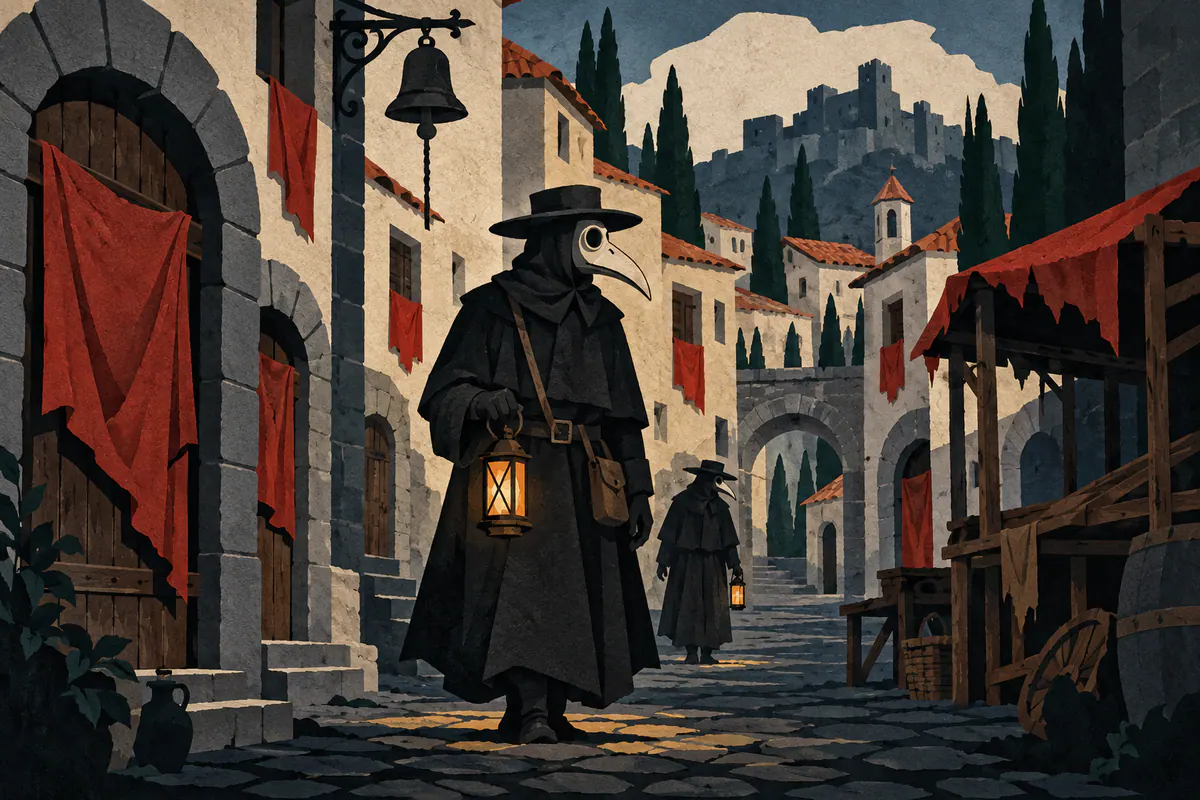
- Illness or an epidemic
- A revolt or a revolution
- A coup by generals, nobles or relatives
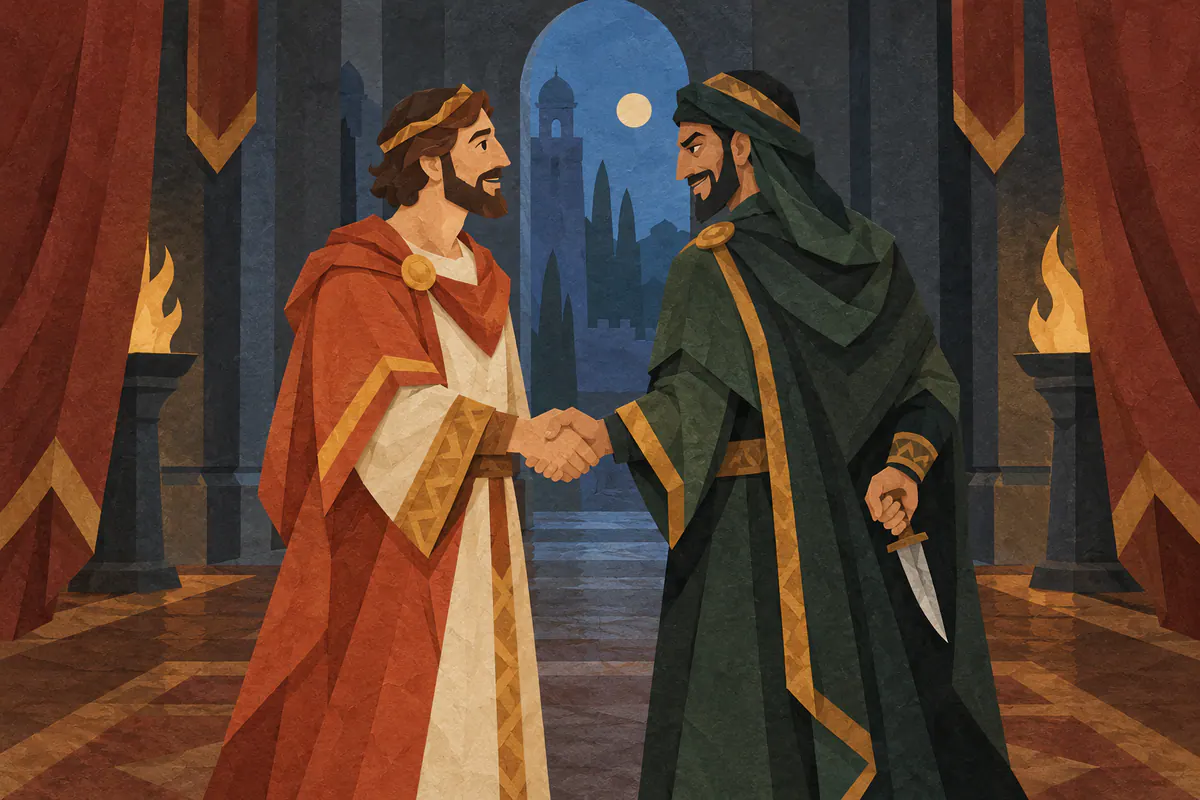
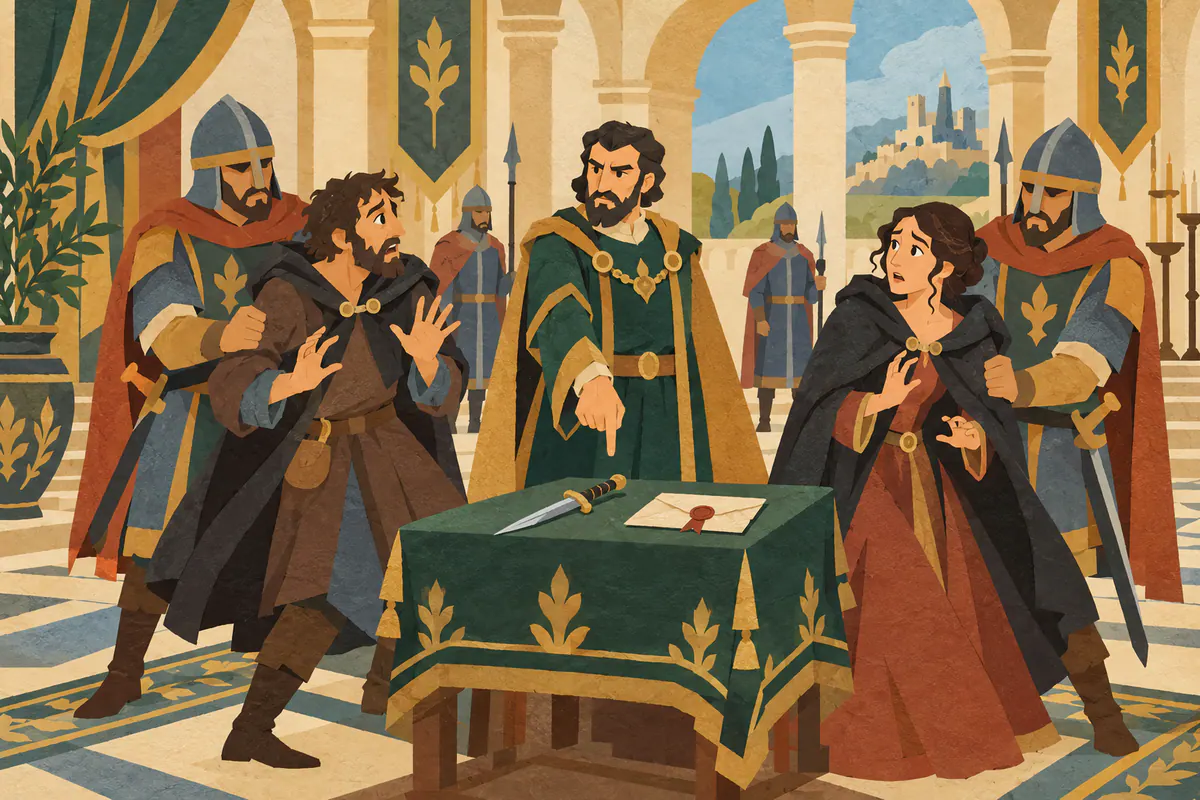
- Poison or a blade in the night
- A battle, when the ruler leads the army
- An accident, such as a fall from a horse or a shipwreck
- Losing every city, which ends the empire and the game
Court, family and plots
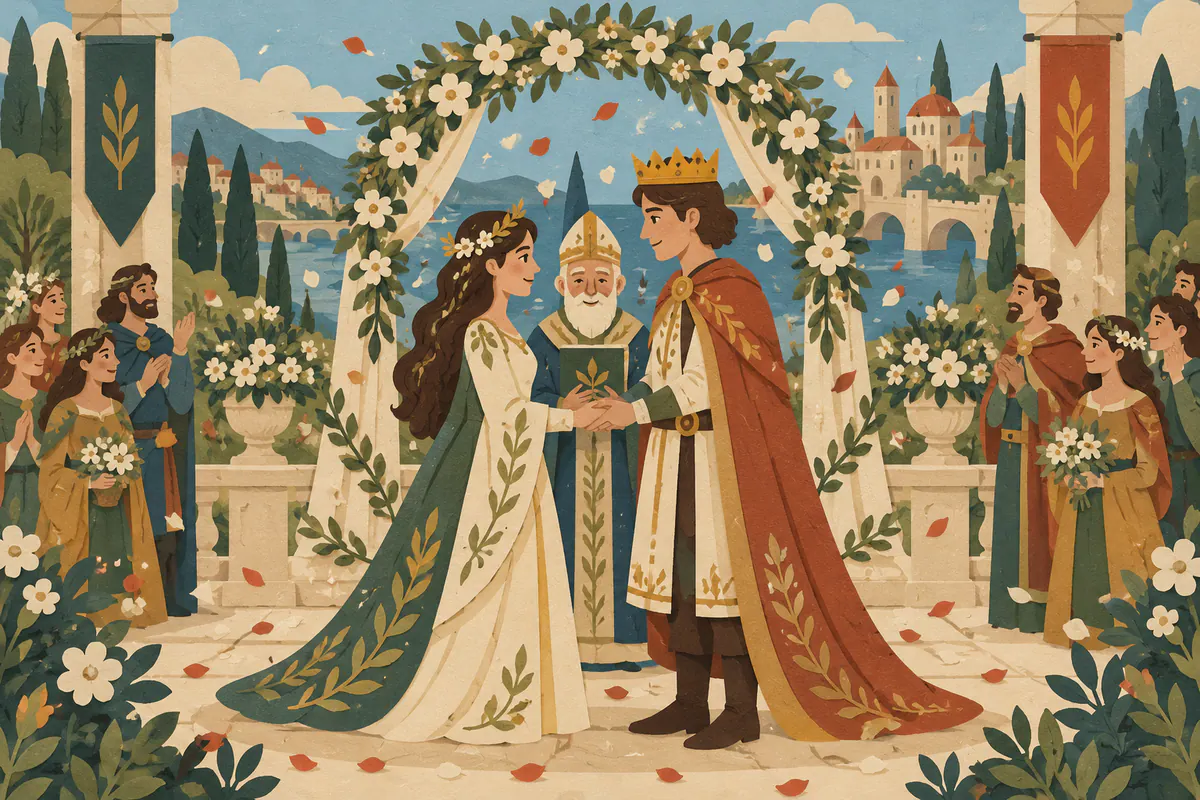
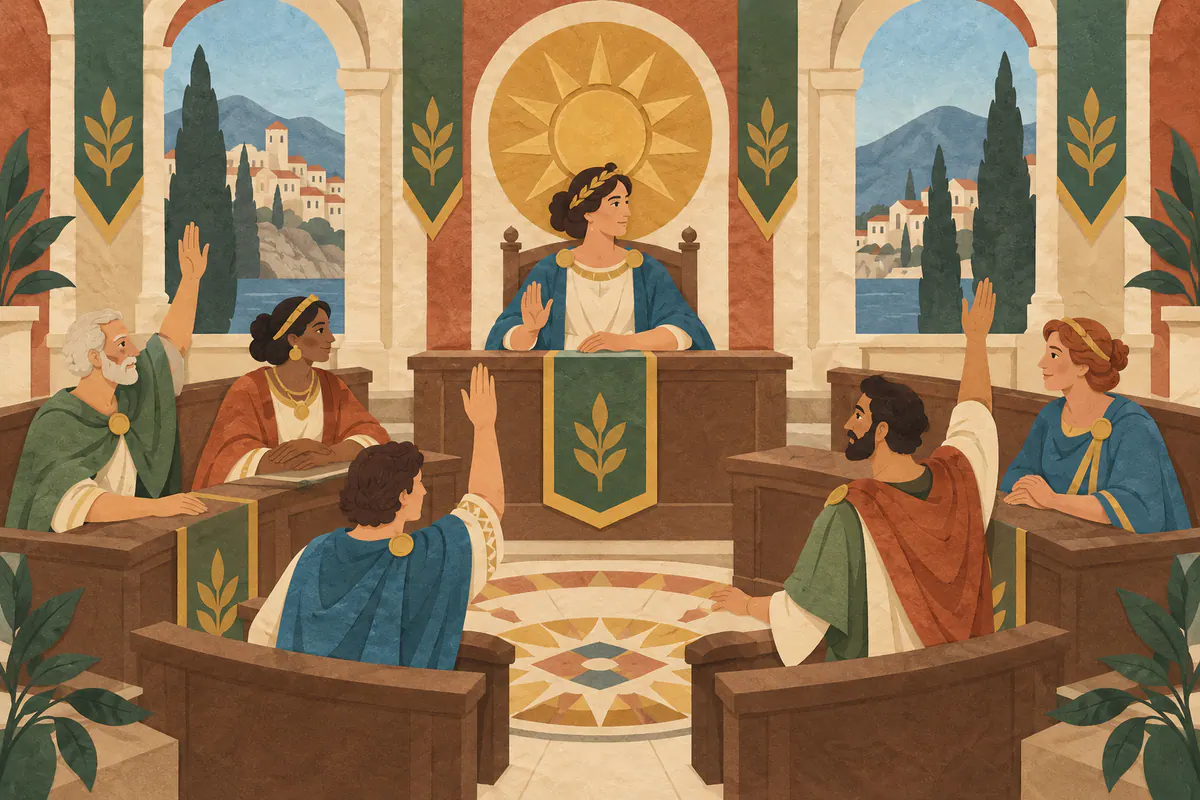
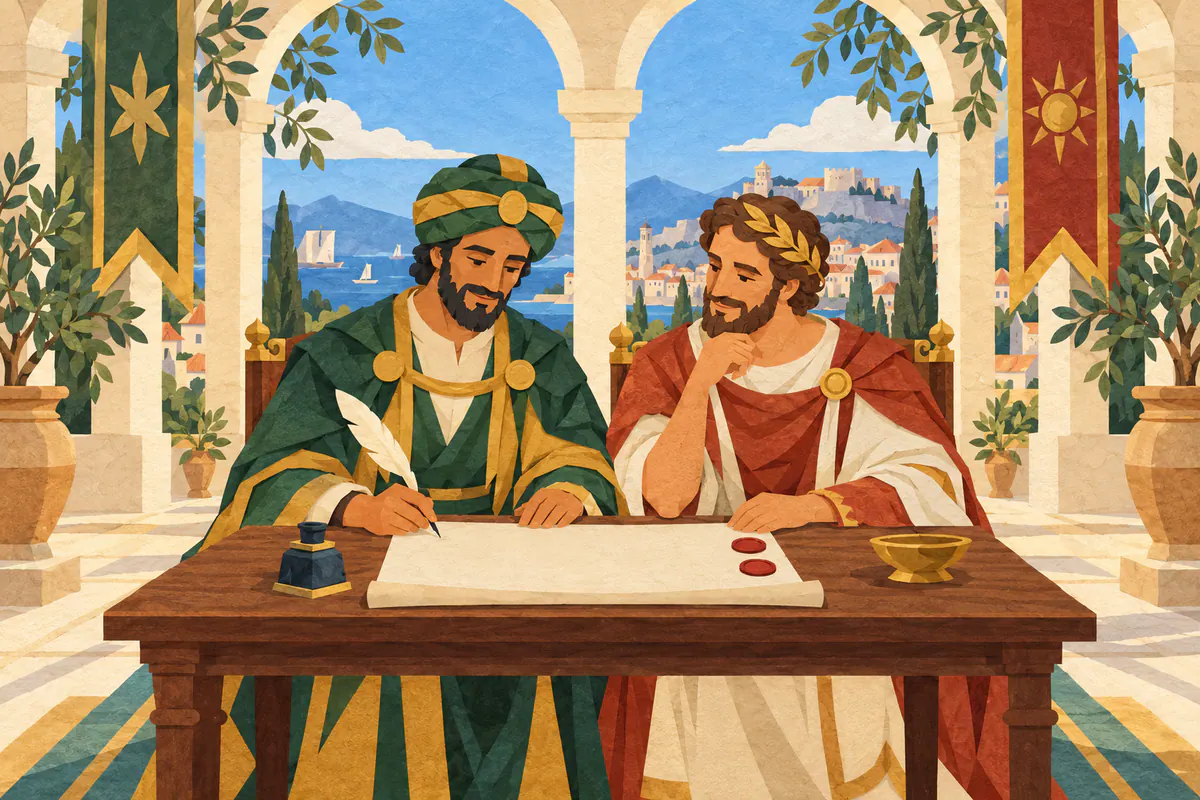
You have a spouse, children and siblings, each with an age, a loyalty and an ambition. The heir matters, because legitimacy and plots both depend on who comes after you. Marriage can bring an alliance or a problem, and a child can grow into a rival, a genius or a disgrace
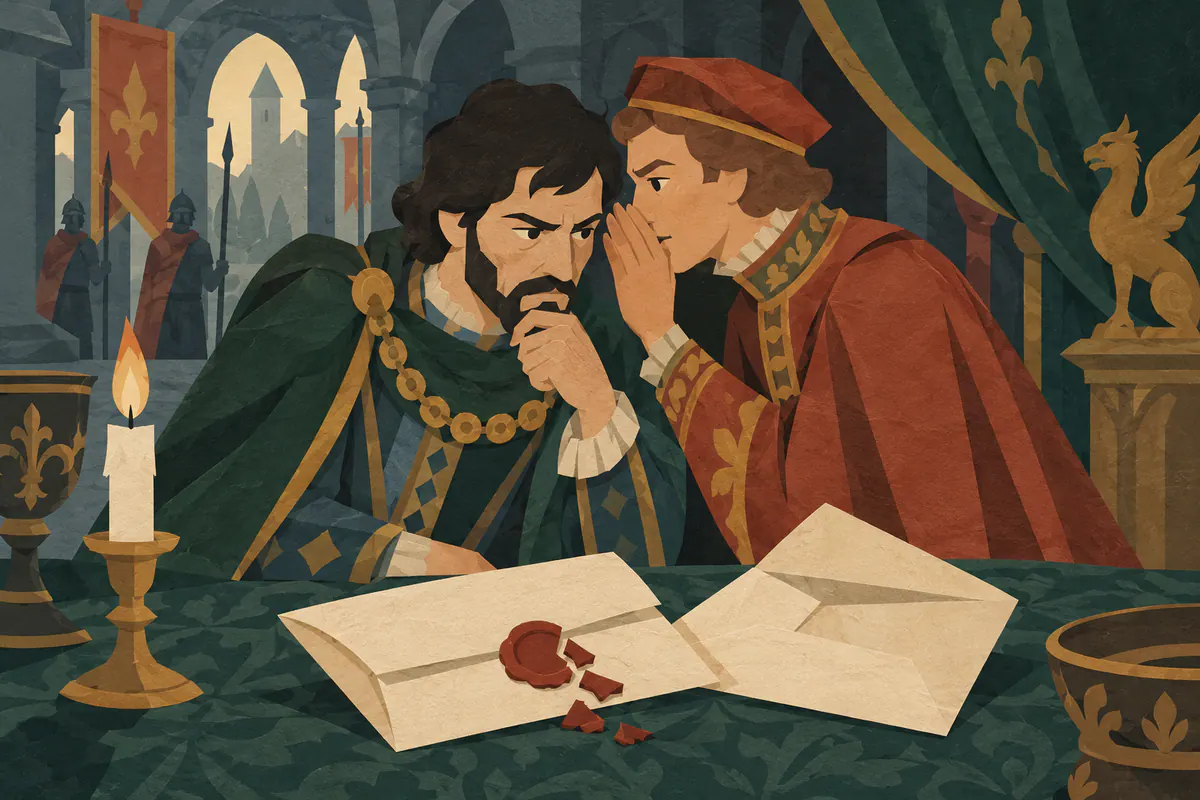
At court a jester's jokes can hint at hidden plots. A food taster and bodyguards protect you from poison and blades, and they can be bribed. A favorite can gain power that the nobles hate. Scandals, from affairs to embarrassing letters, hit your legitimacy
Forms of government
The ruler is a chieftain, a king, an emperor, a doge, a consul, a president or a chairman, depending on the form of government. Events can offer to change it: bring in a parliament, become socialists, go communist. Each form shifts authority, stability, freedom, taxes and the risk of revolution
Forms of government in the game
- Tribal chiefdom
- Feudal monarchy
- Absolute monarchy
- Constitutional monarchy
- Merchant republic
- Theocracy
- Military dictatorship
- Republic
- Socialist state
- Communist state
- Empire
- Anarchy or a puppet state, after a collapse
Forces inside the country
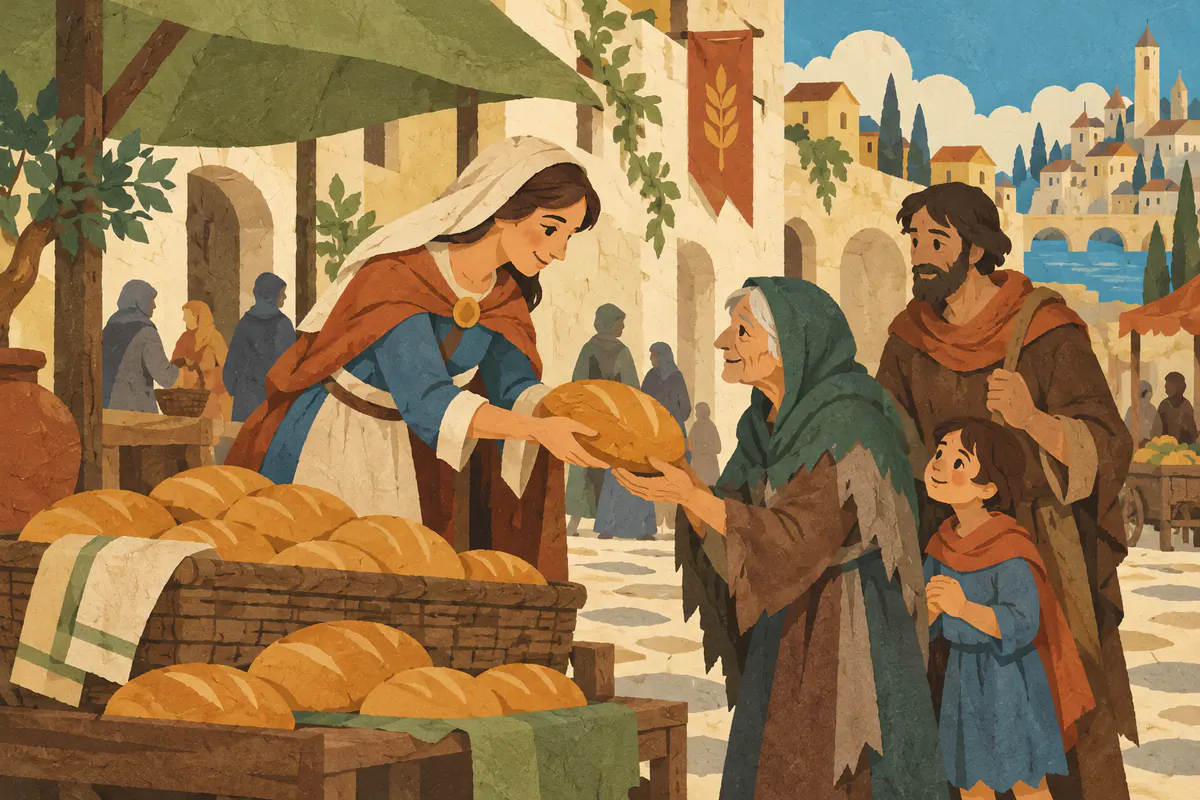
Nobles, clergy, merchants and guilds, army officers, peasants and townsfolk each have a size, a power and a loyalty. Scholars appear once there are universities, and workers once there are factories, with strikes to match. A smugglers' guild runs the black market as a force of its own. Some are on your side and some are against you
Advisors bring proposals as events: a treasurer, a marshal, an admiral, a high priest, a chancellor, a spymaster, a court physician. Each has skill, loyalty, ambition and an honesty you cannot see
Technology without eras
Fifteen branches of knowledge grow in every empire: farming, metallurgy, shipbuilding, navigation, cartography, construction, engineering, industry, medicine, administration, finance, military tactics, printing and writing, natural science and political thought. The game never turns that into an era or a label
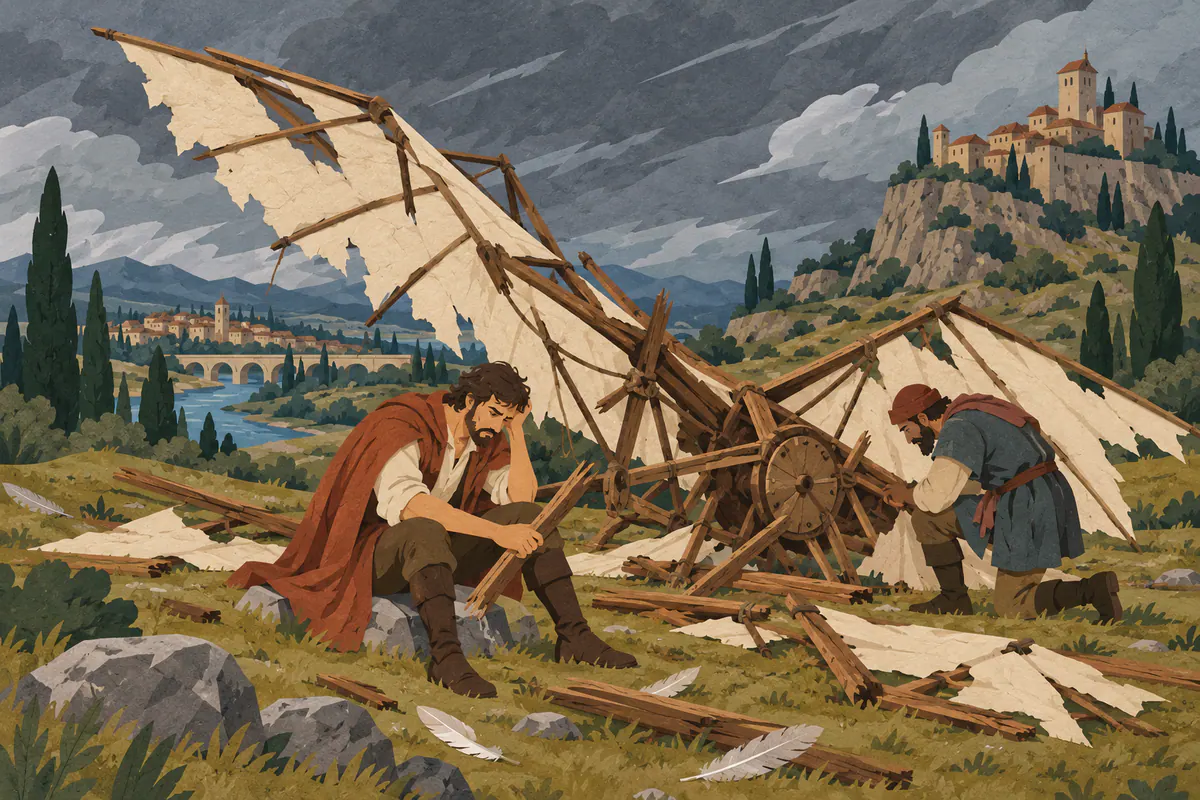
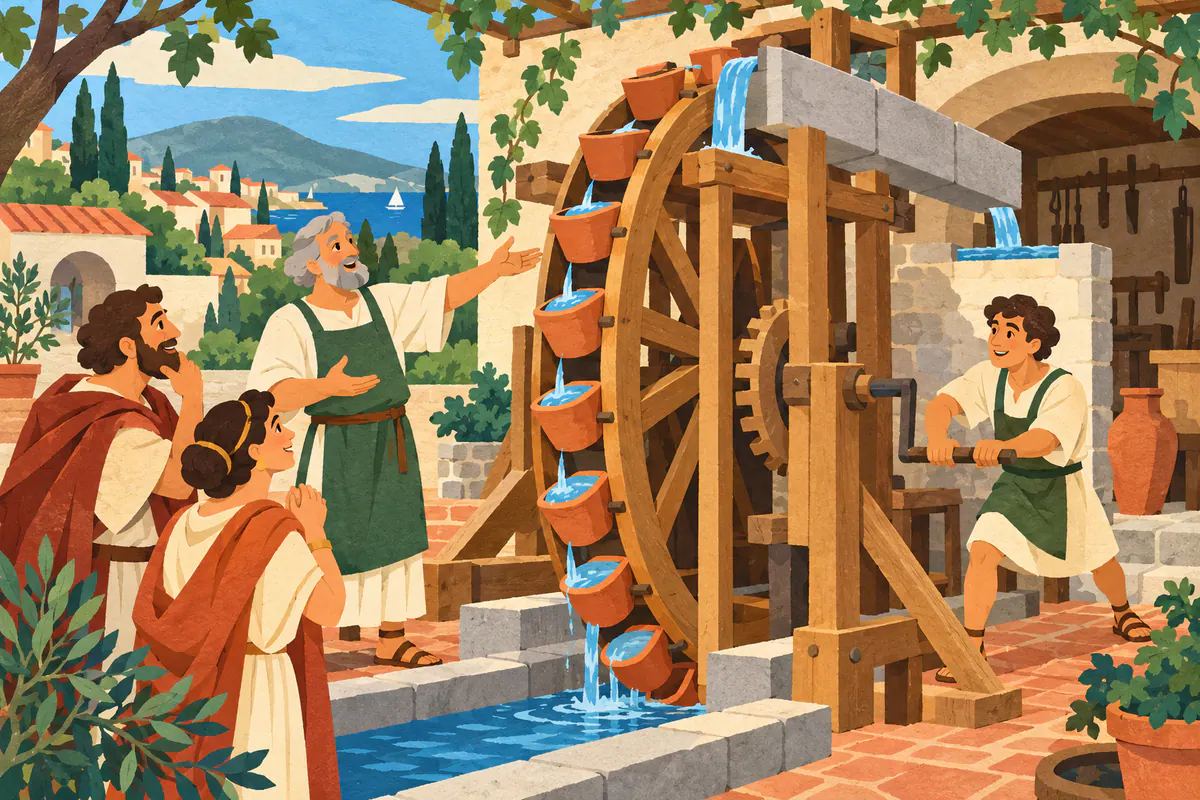
Concrete inventions unlock by research or through an inventor: crop rotation, the windmill, the compass, the printing press, gunpowder, banking, the telescope, muskets, the steam engine, factories and railways. Every empire has its own set. Inventors ask for money, and an invention can fail: a flying machine may crash
Generated faiths
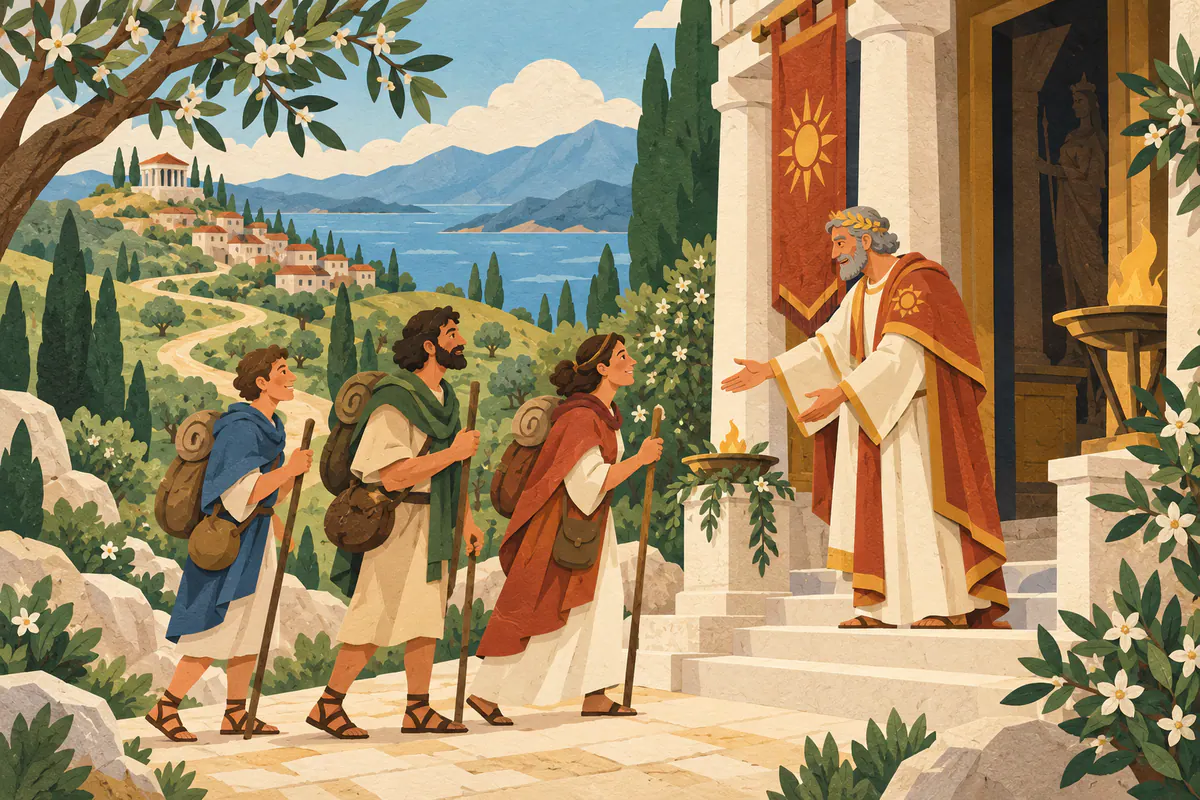
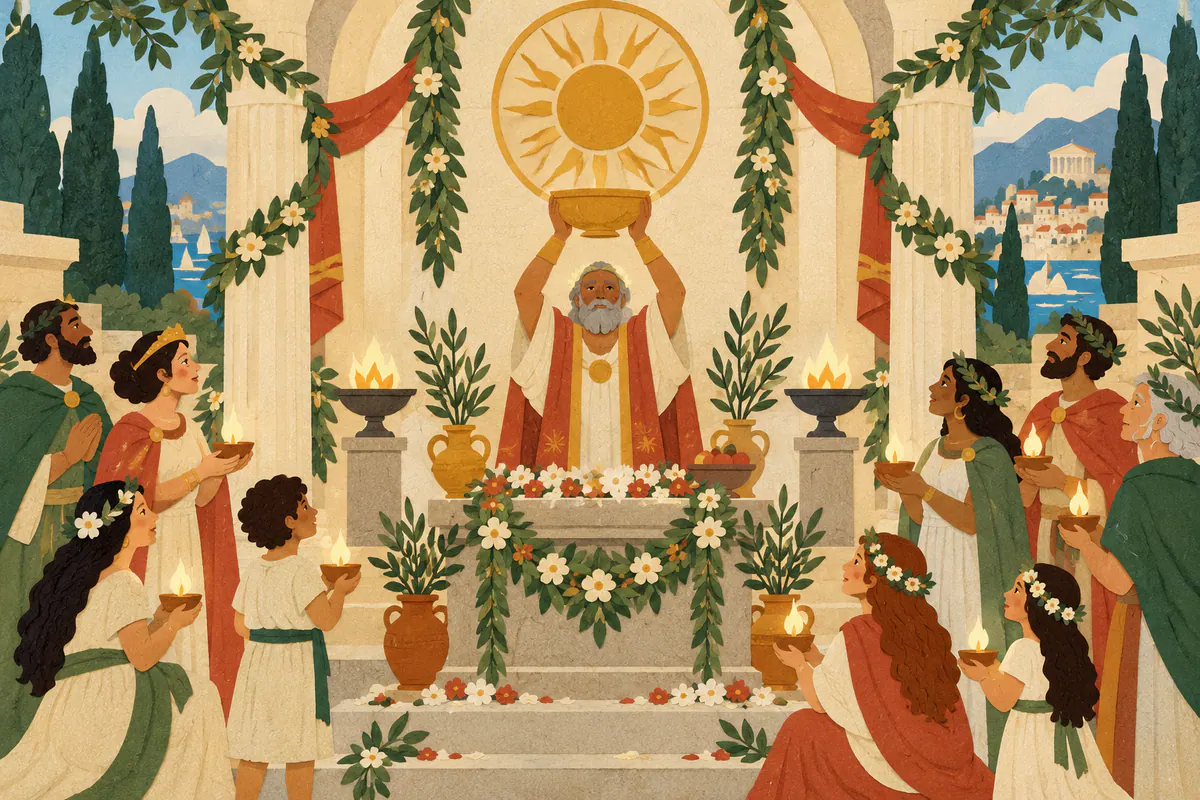
Religions are generated, with invented names, invented meaning and strange tenets. A prophet can found a new one in your country, and it can split your country with it. Faiths break into named branches, spread through missionaries, make holy cities rich with pilgrims, and fight over relics that can be stolen, bought or faked
A ruler can declare themself divine, which brings huge legitimacy and huge risk. An inquisition hunts heretics, so fear and piety go up while scholars flee. Unbelief grows with education and science
War and diplomacy
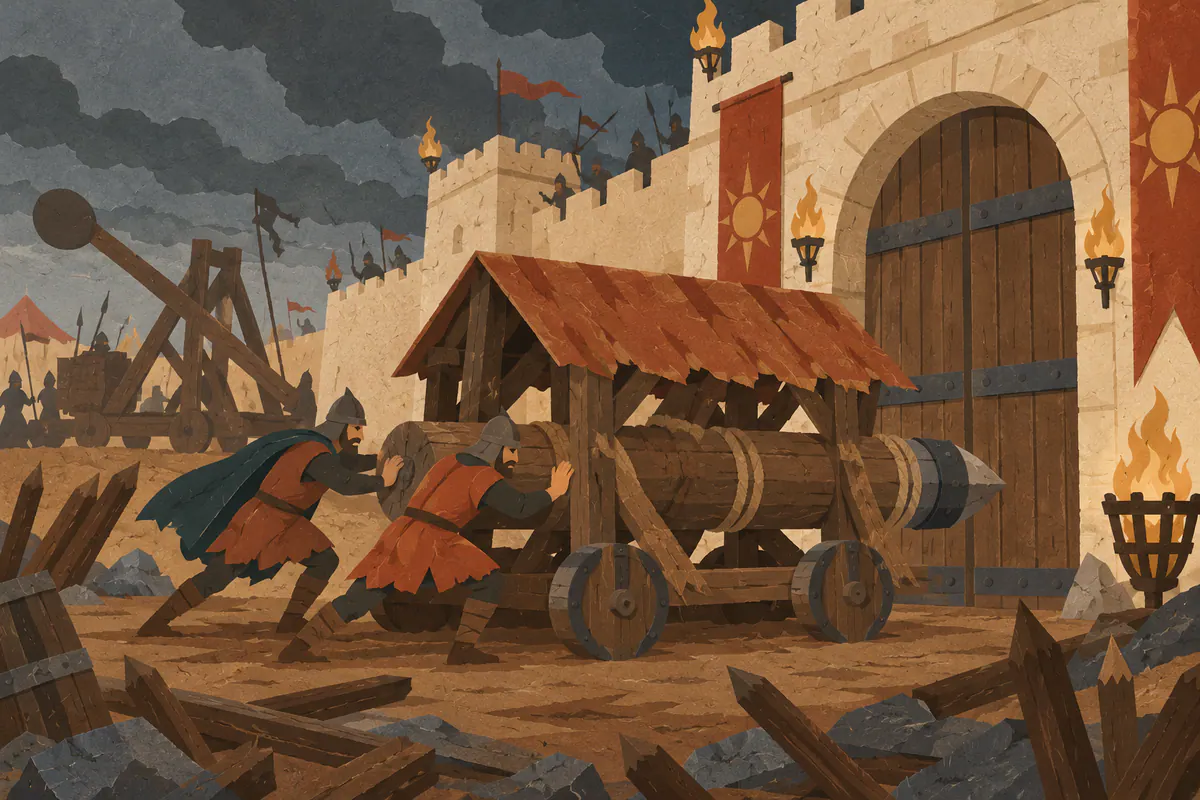
War reaches you as events, because choosing is all you do. A neighbor attacks and you decide whether to fight, pay or give up a city. Your commanders propose attacks, and if the enemy is weaker you can seize a city too. Sieges can last for years while the city starves. When a war ends, you choose the terms: take a city, take gold or humiliate the enemy
Generals have character, cautious, reckless or cruel, and it changes battles. Mercenary companies have captains who can betray you. Conquered cities fight guerrillas for years. Diplomacy brings treaties, alliances, tribute, vassals, royal marriages that give claims on other thrones, hostages, gifts and insults. Grow too strong and your neighbors may form a coalition
A world that plays without you
Every other empire is generated and ruled by a bot with the same mechanics, events and decisions you have. Half of a bot's decisions are random and half are the advantageous ones, so great powers grow by themselves, not by script. Empires fight, die, kill each other and fall into pieces, and new states appear
Bot rulers age and die, and their heirs change the politics. One bot ruler may become your personal enemy, with a long chain of events behind it. You only get the results, such as a city that was captured
Notable people
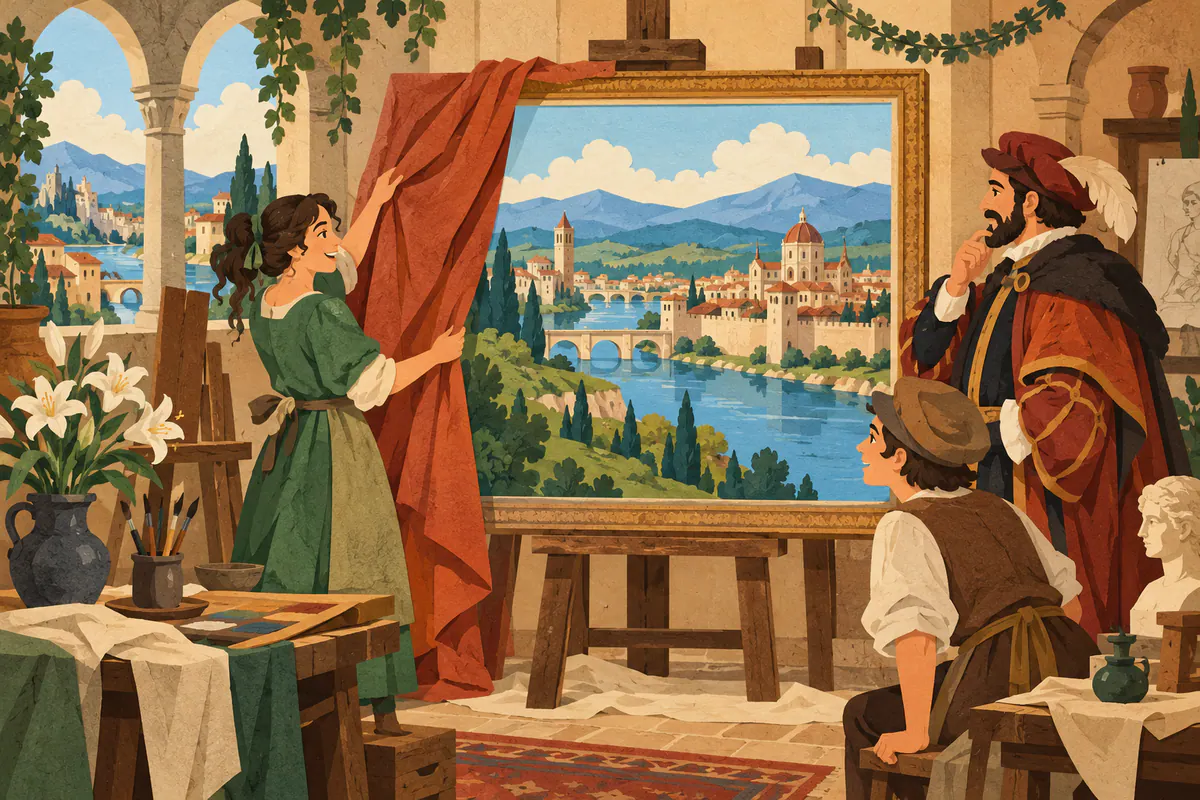
People are born in your country by chance, more often when population, education, piety and prosperity are high: prophets, genius inventors, great generals and admirals, scholars, artists, explorers, merchant princes, physicians, reformers, rebel leaders and crime bosses. Each has skill, loyalty and ambition. They bring their own events, age and die, or leave for a rival if you treat them badly
Time, speed and pause
Time runs by itself: one real minute is one game year at normal speed. Pause whenever you like, or speed up to x2, x5 or x10. The game also pauses on its own for every event. Speed changes nothing about what happens, because the server prepares the next event ahead of time. One life takes 1 to 2 hours
Play anywhere, with friends
The game fits phones and desktops at any resolution. The server keeps your game, so you can close the tab and come back later, even from a phone. Play as a guest with a nickname, or log in to keep your results on the leaderboards
Invite friends and they are added automatically. You can watch their results and compete with them. Famous rulers of other players can appear as legends in your world
The final card, the chronicle and the leaderboards
Every ruler dies, and then one screen shows everything: your title and empire name, years of reign, age and cause of death, peak population, peak area in million hectares, wars won and lost, cities conquered and lost, revolts and coups survived, faiths founded, inventions, and the forms of government your empire went through. The 3 to 5 most interesting facts are picked by rarity, like surviving 3 coups or giving away 5 cities without a fight
It is an image made for social media, with a link to a result page. The art depends on how you died, and your epithet goes on it
What comes with the card
- The chronicle: every event and choice as a line with its in-game date, readable in full by link
- The border timelapse: 10 seconds of your empire's borders growing and shrinking over your life
- After you: the server plays 100 more years and shows whether the empire survived
- Leaderboards for peak population, peak area, years of reign, cities conquered, peak treasury, tech level at death and most wars won, for all time, this month and this week
- A friends leaderboard, and a hall of fame with the best rulers of the week
Fair play by design
The whole game runs on the server: the world, the bots, the events and the outcomes. The browser sends only two things, which event and which choice. There is nothing on your device to edit, and every number on the final card and the leaderboards comes from server data